
If you’re searching for that perfect bowl to warm you up on a chilly evening, the Aromatic Ginger Garlic Chicken Noodle Soup Recipe is exactly what you need. It’s a cozy, fragrant blend of fresh ginger, pungent garlic, tender chicken, and slurpy noodles—all simmered into a comforting broth that feels like a big, warm hug. I often turn to this recipe when I need a little culinary TLC or just want something reliably delicious and soothing on the table.
Jump to:
Why You’ll Love This Aromatic Ginger Garlic Chicken Noodle Soup Recipe
This soup brings together bold aromas and a vibrant, layered taste that’s anything but ordinary. Each spoonful feels like a fresh burst of warmth with that zing from ginger and the mellow depth of garlic balancing beautifully with savory chicken broth. Plus, it’s incredibly straightforward to prepare, even on busy nights.
- Texture you want: Tender chicken with perfectly cooked noodles that aren’t mushy.
- Flavor that pops: Fragrant ginger and garlic infuse the broth, keeping it bright and satisfying.
- Everyday ingredients: Nothing exotic here—just pantry basics and fresh produce.
- Works for any night: From weekday dinners to comforting weekend lunches.

Ingredient Spotlight
The magic of the Aromatic Ginger Garlic Chicken Noodle Soup Recipe really shines through these few superstar ingredients. Using fresh ginger and garlic makes a huge difference compared to powders or pastes. For the noodles, I usually pick thin egg noodles or even rice noodles if I want a lighter feel, and chicken thighs always bring more juiciness than the breast.
- Fresh Ginger: Offers a sharp, clean heat that brightens the broth.
- Garlic Cloves: Minced fresh to mellow and deepen the savory layers.
- Chicken Thighs: Tender and flavorful; less likely to dry out than breast meat.
Seasonality & Sourcing
Look for firm, plump chicken thighs from your local butcher or market—organic if you can swing it for that extra depth of flavor. Fresh ginger is typically available year-round, but it’s naturally more aromatic in fall and winter, which suits this soup perfectly. If you buy it in bulk, peel and freeze it in chunks to keep that zing intact. For noodles, Asian markets are great for fresh egg noodles, though supermarket dried noodles work just fine anytime.
Step-by-Step: How to Make It
Step 1 — Prep & Preheat
Start by peeling and finely mincing fresh garlic and ginger—don’t rush this; finely minced bits release more flavor into your broth. Dice the chicken thighs into bite-sized pieces and set aside. While you prep, bring a large pot of water to a boil for the noodles you'll add later. Remember, don’t overheat your pan when you begin sautéing to avoid burning the garlic, which turns bitter fast.
Step 2 — Cook & Build Flavor
Heat a touch of oil in a large pot over medium heat, then add the ginger and garlic, stirring until fragrant (about 30 seconds). Next, add your chicken pieces, cooking them until they’re just browned on the outside — this locks in juices without overcooking. Pour in chicken broth, bring to a simmer, and let it bubble away for 15 minutes so the flavors meld beautifully. If at any point your broth tastes thin, a pinch of salt or splash of soy sauce can give it a quick boost.
Step 3 — Finish & Rest
Once the chicken is tender, add your noodles directly to the simmering soup and cook until al dente—usually around 3 to 5 minutes depending on your noodle choice. Turn off the heat and let the soup rest for a couple of minutes; this helps the noodles soak up just enough broth and ensures all the flavors marry perfectly. Don’t leave it resting too long, or the noodles can get soggy, which we definitely want to avoid.
Troubleshooting Aromatic Ginger Garlic Chicken Noodle Soup Recipe
If your soup feels bland, a quick splash of soy sauce or a squeeze of fresh lemon juice can brighten the whole bowl. For dry chicken, it may have been overcooked; next time, keep an eye on the simmer time and cut the pieces smaller to cook through quickly. Noodles getting too soft? Drain them a bit earlier and add them just before serving to keep that perfect bite. If garlic starts to burn while sautéing, lower the heat immediately and add a splash of broth to cool the pan.
Pro Tips
I’ve found a few tricks that make this Aromatic Ginger Garlic Chicken Noodle Soup Recipe shine even brighter—start by gently sweating your ginger and garlic instead of frying hard. This keeps their aroma front and center without bitterness. Also, timing the noodles to go in last means they don’t steal all the broth and stay just right. And if you ever want to prep this soup ahead, keep noodles separate until reheating.
- Heat control: Keep the pan moderate when sautéing aromatics to avoid burning.
- Timing window: Add noodles last and watch closely to cook al dente.
- Make-ahead move: Store broth and chicken separately from noodles for storage.
- Avoid this pitfall: Don’t overcook garlic—it turns bitter fast and ruins the broth.
Variations & Substitutions
If you’re looking to twist this Aromatic Ginger Garlic Chicken Noodle Soup Recipe around a bit, feel free to swap chicken thighs for tender breast meat if you prefer leaner protein. Vegetable noodles like zucchini ribbons add a fresh crunch if you want to lighten it up. And for a vegetarian take, replace chicken with tofu and use mushroom broth—the ginger and garlic still do their magic beautifully. Soy sauce can be swapped with tamari for gluten-free needs.
Great Debates
One classic debate is whether to use butter or oil for sautéing. I lean toward neutral oils like avocado or canola here because they allow the ginger and garlic to shine without imparting extra richness. But if you like a rounder flavor, a pat of butter works nicely at the end. Another divide: fresh versus dried noodles. Fresh tend to cook faster and have a tender bite, but dried noodles hold up better if you’re making this soup in bulk or want leftovers.
Make-Ahead, Storage & Freezing
You can keep the soup refrigerated for 3 to 4 days in an airtight container. I recommend storing the noodles separately if you plan to reheat later because they soak up broth and get mushy. Freeze the broth and cooked chicken for up to 3 months in freezer-safe containers—thaw overnight in the fridge before reheating gently on the stove. Add fresh noodles after reheating for that just-cooked feel even days later.
Yield & Conversions
This Aromatic Ginger Garlic Chicken Noodle Soup Recipe yields about 4 generous servings. Doubling the recipe is simple—just double the ingredients and use a larger pot. For half portions, halve everything accordingly. In metric, 1 pound of chicken is roughly 450 grams, and about 230 grams of noodles works well per batch. The broth amount scales easily to your pot size.
Serving Ideas & Pairings
I love to pair this soup with a simple green salad dressed in a light sesame vinaigrette—something crisp to balance the warm bowl. A side of crusty bread or steamed rice helps soak up every last drop of that fragrant broth. For garnish, thinly sliced scallions or a sprinkle of fresh cilantro add brightness and a pop of color. Keep it relaxed and let the soup be the star.
FAQs
Absolutely! Just be careful not to overcook the breast meat as it can dry out faster. Cut into smaller pieces and add to the simmering broth for a shorter time.
Thin egg noodles or Asian wheat noodles are ideal for this recipe. You can also try rice noodles for a gluten-free option or zucchini noodles for a fresh twist.
Cook the noodles separately or add them right before serving. If storing leftovers, keep the noodles and broth apart to maintain texture.
Fresh ginger gives the soup its bright, aromatic zing. Ground or dried ginger won’t deliver the same vibrant flavor, so if possible, stick to fresh.
Notes, Tools & Special Equipment
A good, heavy-bottomed pot or Dutch oven helps cook the soup evenly without hotspots. A sharp knife for mincing ginger and garlic is essential to release maximum flavor. No special equipment required beyond a stove, but a thermometer can be handy if you want to ensure your chicken hits a safe 165°F (74°C) without overcooking. For noodles, I prefer fresh egg noodles but any boiling pasta pot will do.
PrintPrintable Recipe 📖
Aromatic Ginger Garlic Chicken Noodle Soup Recipe

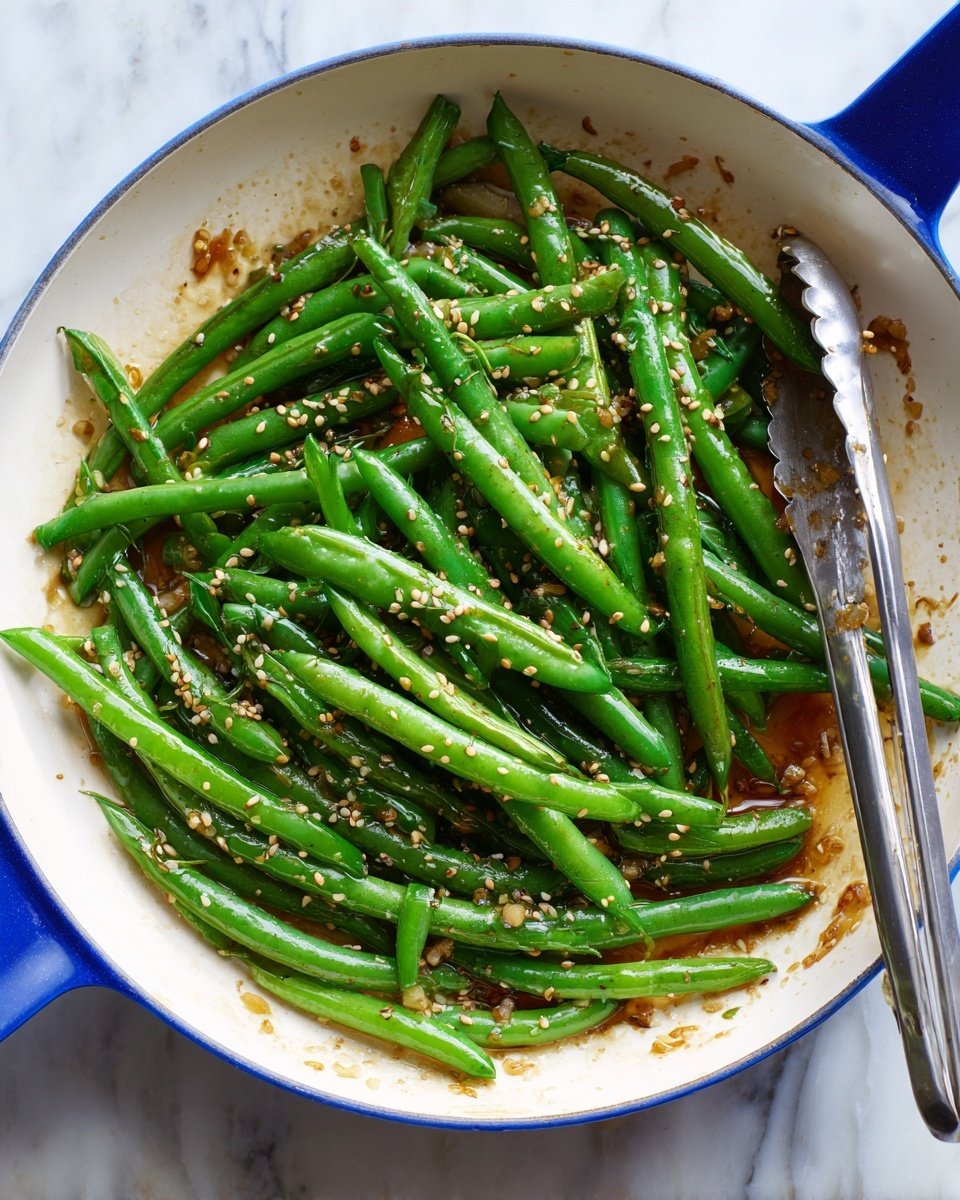
This Miso Green Beans recipe features tender green beans stir-fried to perfection with a savory-sweet miso sauce, enhanced with garlic and toasted sesame seeds. It's a quick and flavorful side dish that brings a delicious umami twist to your meal.
- Prep Time: 10 minutes
- Cook Time: 10 minutes
- Total Time: 20 minutes
- Yield: 4 servings
- Category: Side Dish
- Method: Frying
- Cuisine: Japanese
- Diet: Vegetarian
Ingredients
The sauce
- 1 tablespoon white miso
- 1 tablespoon soy sauce
- 2 teaspoons maple syrup or agave nectar or honey
- 1 teaspoon sesame oil
The green beans
- 1 pound green beans
- 2 teaspoons avocado oil or other neutral oil with high smoke point
- 3 garlic cloves minced
- 1 teaspoon toasted sesame seeds
Instructions
- Prepare the sauce: In a small bowl, whisk together the white miso, soy sauce, maple syrup (or agave nectar or honey), and sesame oil until smooth and well combined.
- Trim the green beans: Cut off the ends of the green beans and slice any longer beans in half on a diagonal for a nicer presentation.
- Heat the skillet: Place a large wok or enameled cast iron skillet over medium-high heat until very hot. If using stainless steel, be prepared to add extra oil.
- Cook the green beans: Add the avocado oil to the hot skillet, then add the green beans and stir to coat them evenly. Spread the beans out in the skillet and cook for 5 minutes, stirring every 45 seconds, until slightly blackened and just tender when pierced with a fork.
- Add the garlic: Stir in the minced garlic and cook while stirring constantly for 30 seconds. Be careful not to burn the garlic.
- Finish with sauce and sesame seeds: Pour the miso sauce over the green beans and sprinkle with toasted sesame seeds. Toss everything to coat the beans thoroughly. Remove from heat and serve immediately.
Notes
- You can substitute white miso with yellow miso or chickpea miso if unavailable.
- For a gluten-free version, use tamari instead of soy sauce.
- Maple syrup or agave nectar keep this recipe vegan; substitute with honey only if not vegan.
- Use avocado oil or another neutral high smoke point oil to prevent smoking during stir-frying.
- To toast sesame seeds, lightly toast them in a dry skillet over medium heat until golden and fragrant.


Leave a Reply