
There’s something just irresistible about the bold, spicy kick of a good Szechuan Sauce Recipe. Whether you’re drizzling it over stir-fried veggies or dipping your favorite appetizer, this versatile sauce really wakes up any dish. I love making it from scratch because you can control the perfect balance of heat and tang, and you’ll notice it’s way better than anything store-bought.

Jump to:
Why You’ll Love This Szechuan Sauce Recipe
I first tried making this Szechuan sauce when I wanted a quick, bold flavor boost for weeknight dinners. It’s so rewarding to whip it up in under 10 minutes and have that toasty, peppery bite finish your meal perfectly.
- Texture you want: Velvety smooth sauce that clings to every bite, not too thin or gloopy.
- Flavor that pops: Tangy, spicy, and just the right hint of sweetness to balance the heat.
- Everyday ingredients: Simple pantry staples you might already have, no hunting for obscure sauces needed.
- Works for any night: Great for quick stir-fries, dipping snacks, or even as a marinade for grilled dishes.

Ingredient Spotlight
Each ingredient in this Szechuan Sauce Recipe plays a crucial role. Choosing the right soy sauce and fresh ginger, plus balancing the vinegars, ensures you get that authentic spicy-sour signature zip every time. Let’s look closer at what makes this sauce sing.
- Soy sauce: Use low-sodium for control; it adds deep umami without overpowering saltiness.
- Fresh ginger: Adds brightness and warmth; mince finely to release all its fragrances.
- Asian chili garlic sauce: The real heat and garlicky punch that defines this sauce’s character.
Seasonality & Sourcing
I like to grab fresh ginger year-round since it keeps well in the fridge—freshness matters for that zing. For vinegars and soy sauce, quality doesn’t have to mean expensive, but a trusted brand really lifts the sauce. If chili garlic sauce isn’t in your usual market, check Asian groceries or order online for the best authentic experience without breaking the bank.
Step-by-Step: How to Make It
Step 1 — Prep & Preheat
Start by whisking the chicken or veggie broth with cornstarch in a small bowl until fully dissolved—no lumps here! This slurry will be your thickening agent. Meanwhile, place a medium saucepan over medium heat and gather your other ingredients ready to go. Avoid cranking the heat too high at the start—too hot and your sauce can scorch, which dulls those fresh flavors.
Step 2 — Cook & Build Flavor
Pour all ingredients except the broth mixture into the saucepan, stirring well. Bring the mixture to a gentle boil—you’ll see delightful bubbles and the aroma of ginger and garlic will start to steam up your kitchen. Now, slowly whisk in the cornstarch slurry and keep stirring until the sauce thickens to a glossy glaze, about 3–5 minutes. If it thickens too fast or looks clumpy, a splash of broth can loosen it right up. Undercooked? Just a bit more simmer will do it.
Step 3 — Finish & Rest
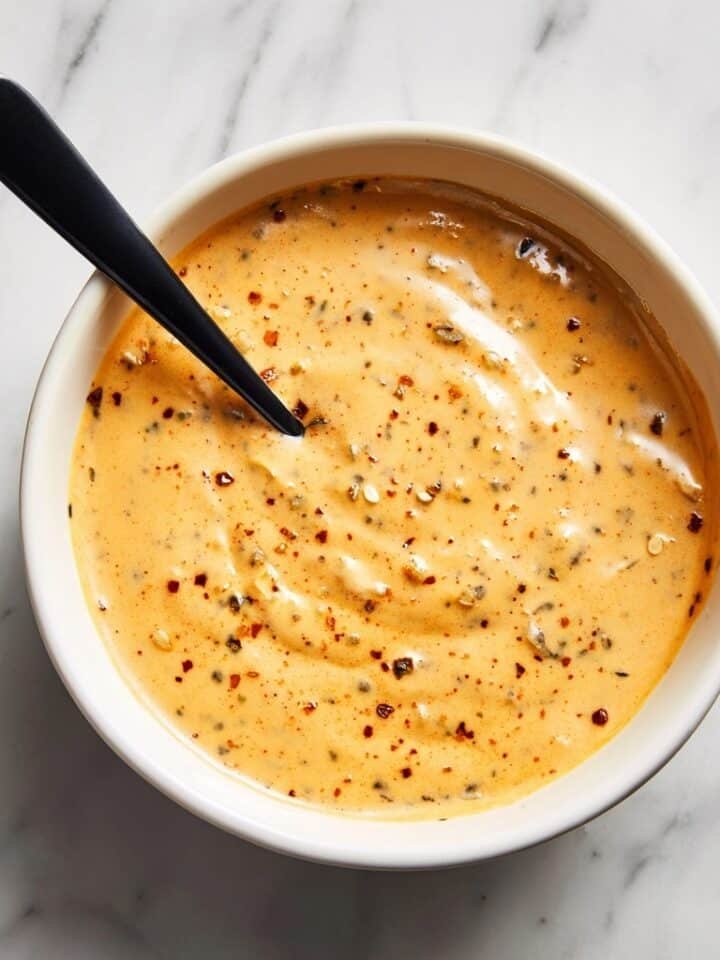
Once thickened, remove the sauce from heat and let it rest for a few minutes. This resting step lets the flavors meld together while the sauce cools slightly, perfect if you want that balance of spicy and sweet to come through evenly. You’ll notice it holds beautifully onto whatever you drizzle it over, bringing a toasty, rich finish without feeling sticky or overpowering.
Troubleshooting Szechuan Sauce Recipe
If your sauce ends up too dry or thick, stir in a little extra broth to reach the ideal pourable consistency. For bland sauce, a pinch more chili garlic or a splash of vinegar brightens the profile instantly. On the other hand, if it turns out soggy or thin, heat gently longer to evaporate some liquid and re-thicken with a cornstarch slurry if needed. These small tweaks make a big difference in getting that perfect balance.
Pro Tips
Through my kitchen experiments, I’ve found controlling heat and timing are the secrets to mastering this Szechuan Sauce Recipe.
- Heat control: Medium heat avoids burning the sugar and garlic, keeping flavors bright.
- Timing window: Add cornstarch slurry once sauce reaches a soft boil to prevent clumping.
- Make-ahead move: Make extra sauce and refrigerate in an airtight jar; it tastes even better the next day.
- Avoid this pitfall: Don’t rush the thickening step—too quick heat can scorch or separate the sauce.
Variations & Substitutions
You can easily tweak this Szechuan Sauce Recipe to fit dietary preferences or pantry finds. Swap chicken broth for veggie broth to keep it vegetarian, or try coconut aminos instead of soy sauce for a gluten-free twist. To dial the heat up, add more crushed red pepper flakes or a dash of Szechuan peppercorn powder for that signature tingling sensation.
Great Debates
Some folks debate using butter versus oil as a base for this sauce. I personally prefer the clean finish of oil (like a neutral vegetable or peanut oil) because it lets the chili and vinegar shine through. Butter adds richness but can mask the sharp, spicy notes that make Szechuan sauce distinct. Try both and see which vibe you prefer!
Make-Ahead, Storage & Freezing
This sauce keeps beautifully in the fridge for up to 5 days stored in a sealed jar or container—just warm gently before using. Freezing is possible, but texture might shift slightly on thawing; if you freeze, stir well and reheat gently to bring it back to that perfect silky state.
Yield & Conversions
This Szechuan Sauce Recipe makes about ¾ cup of sauce—enough for 4 servings as a dipping or stir-fry sauce. To scale up, double all ingredients and adjust cooking time slightly. For smaller portions, halve the sauce quantities. Metric users: 60 ml soy sauce, 30 ml red wine vinegar, and so on works perfectly for precision.
Serving Ideas & Pairings
I often spoon this sauce over crispy tofu or chicken stir-fries, but it’s also fabulous as a dip for dumplings or spring rolls. Try it drizzled on steamed broccoli or tossed with noodles for a quick meal. A sprinkle of fresh green onions and toasted sesame seeds on top ramps up the texture and the look.
FAQs
Absolutely! Just swap chicken broth for vegetable broth and double-check your soy sauce is vegan-friendly, which most are. The sauce still packs the same punch without animal products.
It has a moderate heat level that can be easily adjusted. If you like it milder, reduce the chili garlic sauce and red pepper flakes; for extra heat, add more or include a dash of Szechuan peppercorns.
It’s incredible on stir-fries, fried rice, grilled meats, and steamed veggies. It also makes a delicious dipping sauce for dumplings and egg rolls.
For food safety, it’s best to refrigerate leftover Szechuan Sauce in an airtight container. It keeps fresh for up to five days in the fridge.
Notes, Tools & Special Equipment
A small-medium saucepan (about 2 quart) is perfect—heavy-bottomed helps prevent scorching. A fine whisk ensures the cornstarch is fully blended. If you have an instant-read thermometer, keeping the sauce just at a gentle boil (around 200°F/93°C) is ideal but not required. No fancy tools needed beyond these basics, which is part of why I love making this Szechuan Sauce Recipe so much.
PrintPrintable Recipe 📖
Szechuan Sauce Recipe

A flavorful and spicy Szechuan sauce made with soy sauce, vinegars, ginger, chili garlic sauce, and a touch of sweetness, thickened to a perfect consistency for dipping or drizzling over your favorite dishes.
- Prep Time: 10 minutes
- Cook Time: 10 minutes
- Total Time: 20 minutes
- Yield: 1 cup
- Category: Sauce
- Method: Stovetop
- Cuisine: Chinese
- Diet: Gluten Free
Ingredients
Sauce Ingredients
- ¼ cup low-sodium soy sauce
- 2 tablespoons red wine vinegar
- 1 tablespoon fresh ginger, minced
- 2 tablespoons brown sugar
- 1 tablespoon Asian chili garlic sauce
- 1 tablespoon rice vinegar
- ½ teaspoon crushed red pepper flakes
- ½ teaspoon garlic powder
- ½ cup chicken broth or vegetable broth for vegetarian option
- 1 tablespoon cornstarch
Instructions
- Prepare the cornstarch slurry: Combine the chicken or vegetable broth with cornstarch in a small bowl, stirring until the cornstarch is fully dissolved to ensure a smooth mixture without lumps.
- Mix sauce ingredients: In a saucepan over medium heat, add the soy sauce, red wine vinegar, minced ginger, brown sugar, Asian chili garlic sauce, rice vinegar, crushed red pepper flakes, and garlic powder. Stir well to combine all the ingredients.
- Heat the sauce: Bring the sauce mixture to a light boil over medium heat while stirring occasionally to prevent burning and allow flavors to meld together.
- Thicken the sauce: Stir in the cornstarch and broth mixture gradually into the boiling sauce. Continue stirring constantly for about 3 to 5 minutes until the sauce thickens to your desired consistency.
- Finish and cool: Remove the saucepan from heat and let the sauce cool before using. This helps the sauce thicken slightly more and enhances the flavor.
Notes
- Use low-sodium soy sauce to control salt levels and avoid an overly salty sauce.
- For a vegetarian or vegan version, substitute chicken broth with vegetable broth.
- If you prefer a spicier sauce, increase the Asian chili garlic sauce or add more crushed red pepper flakes.
- Make sure to stir the cornstarch slurry well before adding to avoid lumps in the sauce.
- This sauce pairs well with stir-fries, noodles, dumplings, and grilled vegetables or meats.


Leave a Reply